Flexible Living Spaces: Adapting Homes for Multifunctional Use
In the evolving landscape of modern living, the concept of a single-purpose room is giving way to a more dynamic approach. Homes, particularly in urban areas, are often required to serve multiple functions within a limited footprint. The challenge lies in creating spaces that can seamlessly transition from a home office to a dining area, or from a living room to a guest bedroom, without compromising on comfort or style. This article explores the principles behind flexible floor plans and the role of movable furniture in crafting versatile rooms, offering practical insights for those looking to maximize the potential of their living spaces.
The shift towards adaptable homes is driven by a combination of factors, including the rise of remote work, urban densification, and a growing preference for minimalism. As a result, homeowners and renters alike are seeking solutions that allow for greater flexibility and efficiency. By understanding the key strategies behind multifunctional design, it is possible to create environments that are not only functional but also aesthetically pleasing. This guide delves into the methods and considerations involved in designing flexible living spaces, emphasizing a process-oriented approach that values transparency and informed decision-making.
Understanding Flexible Floor Plans
A flexible floor plan is designed to accommodate changing needs over time. Unlike traditional layouts with fixed walls and dedicated rooms, a flexible plan prioritizes openness and adaptability. This approach often involves minimal internal partitions, allowing for a more fluid use of space. For instance, a large open area can be divided into zones through the strategic placement of furniture, rugs, or temporary screens, rather than permanent walls. This not only enhances the sense of spaciousness but also facilitates effortless reconfiguration as needs evolve.
One common technique in flexible design is the use of sliding or folding partitions. These systems enable a room to be opened up or divided as required, providing both privacy and openness when needed. Another approach involves the integration of built-in storage solutions that can also serve as room dividers. For example, a tall shelving unit on wheels can act as a divider between a living and sleeping area, while still offering ample storage. Such solutions exemplify how design can merge functionality with adaptability.
When planning a flexible floor plan, it is important to consider the flow of natural light and the movement of occupants. Spaces that can be reconfigured should still maintain a logical circulation path. Additionally, the placement of utilities, such as electrical outlets and lighting, should be planned to support various configurations. By thinking iteratively and allowing for adjustments, it is possible to create a home that remains relevant and comfortable across different stages of life.
The Role of Movable Furniture
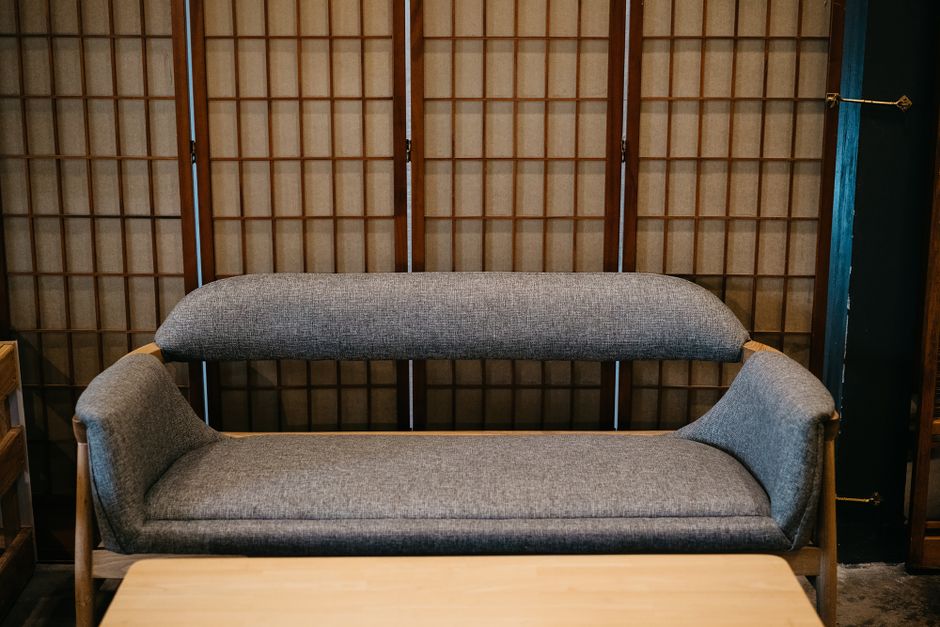
Movable furniture is a cornerstone of multifunctional spaces. Pieces that can be easily repositioned, folded, or expanded allow for rapid transformation of a room’s use. For instance, a lightweight coffee table with storage can double as a desk or a dining surface when needed. Similarly, sofa beds or wall-mounted drop-leaf tables are classic examples of furniture that adapts to different scenarios. The key is to select pieces that are not only versatile but also durable and easy to handle, ensuring that frequent changes do not result in wear and tear.
In addition to traditional convertible furniture, modular systems offer a high degree of flexibility. Modular sofas, for example, can be rearranged into different configurations to suit social gatherings or intimate settings. Likewise, wall-mounted shelves and pegboards allow for customizable storage that can be rearranged without major renovations. These elements contribute to a sense of flexibility that extends beyond the physical layout, encouraging residents to interact with their environment in creative ways.
When integrating movable furniture, it is essential to consider storage for the items when they are not in use. A drop-leaf table, for instance, may require a dedicated space for folded chairs or additional leaves. Built-in cabinets or under-bed storage can help keep movable elements tidy and accessible. By thoughtfully planning for the storage of flexible furniture, the overall efficiency of the space is enhanced.
Design Strategies for Multifunctional Rooms
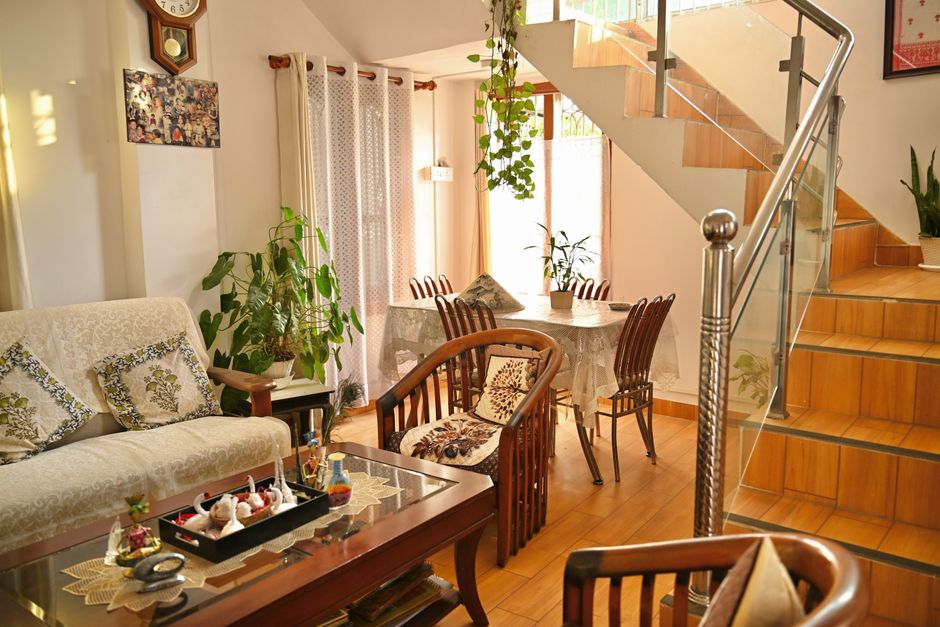
Creating a multifunctional room requires a strategic approach that balances the needs of different activities. One effective strategy is to define zones within an open floor plan through the use of color, lighting, or flooring materials. For example, a change in flooring from wood to carpet can subtly indicate a transition from a dining area to a lounging space. Alternatively, pendant lights can define a workspace while recessed lighting illuminates a reading nook. These visual cues help to organize the space without physical barriers.
Another consideration is the selection of furniture that serves dual purposes. A bed with built-in drawers, an ottoman with hidden storage, or a bench that doubles as a table are all examples of items that optimize space. In small apartments, it is often beneficial to invest in custom-made pieces that are tailored to specific dimensions and requirements. Customization ensures that every inch is utilized effectively, avoiding wasted space.
Flexibility also extends to the way rooms are used. For instance, a home office can be designed to convert into a guest room by incorporating a murphy bed or a daybed with a trundle. The key is to plan for these transformations in advance, ensuring that storage for bedding and office equipment is readily available. By anticipating future needs and designing with adaptability in mind, it is possible to create rooms that serve multiple purposes without feeling cluttered.
Practical Tips for Maximizing Small Areas
When dealing with limited square footage, every decision matters. One of the most effective ways to maximize space is to adopt a minimalist mindset, keeping only essential items and favoringe furniture that serves more than one function. For example, a dining table with extendable leaves can accommodate guests without sacrificing daily space. Similarly, nesting tables can be tucked away when not in use, freeing up floor space.
Another tip is to utilize vertical space. Tall shelving units, wall-mounted hooks, and pegboards can draw the eye upward and provide storage without consuming valuable floor area. Additionally, mirrors can create the illusion of a larger space by reflecting light and giving the impression of depth. In small areas, it is also important to maintain a cohesive color palette and avoid heavy, bulky furniture that overwhelms the room.
Lighting plays a critical role in small, multifunctional spaces. A combination of ambient, task, and accent lighting can define different zones and adapt to various activities. Dimmable lights offer flexibility, allowing the room to transition from bright and functional during the day to soft and relaxing in the evening. Furthermore, the use of wireless, rechargeable lamps can eliminate the need for unsightly cords, simplifying reconfiguration.
Finally, consider the flow of daily life. Think about how you move through the space and what activities take precedence. By prioritizing the most frequent functions, you can allocate space accordingly, ensuring that the room remains practical. For example, if you work from home, a dedicated workspace with a comfortable chair and good lighting is essential, even if it means sacrificing a larger dining area. This prioritization helps to create a harmonious balance between needs and available space.
Flexibility is not about having fewer belongings; it is about creating spaces that can adapt to the rhythm of daily life. By integrating movable elements and thoughtful design, even the smallest homes can offer a wealth of possibilities.
Conclusion
Adapting homes for multifunctional use is a thoughtful process that involves careful planning and a willingness to embrace change. Flexible floor plans and movable furniture provide the foundation for spaces that can evolve with the needs of their occupants. By implementing design strategies such as zoning, dual-purpose furniture, and vertical storage, it is possible to maximize the potential of even the most compact areas.
The journey towards a flexible living space does not require extreme measures; rather, it is about making deliberate choices that enhance adaptability. Whether it is choosing a sofa that converts into a bed or installing a foldable work surface, each decision contributes to a more versatile home. As lifestyles continue to evolve, the ability to reconfigure one’s environment becomes increasingly valuable, offering both practical benefits and a sense of empowerment over one’s living space.
At Haven Interiors, we recognize the importance of creating homes that are as dynamic as the people who live in them. We encourage homeowners to explore the principles of flexible design and to consider how these concepts can be applied to their own settings. With a focus on transparency and methodology, we aim to provide guidance that helps individuals make informed decisions about their living environments.