The Role of Smart Thermostats in Energy-Efficient Homes
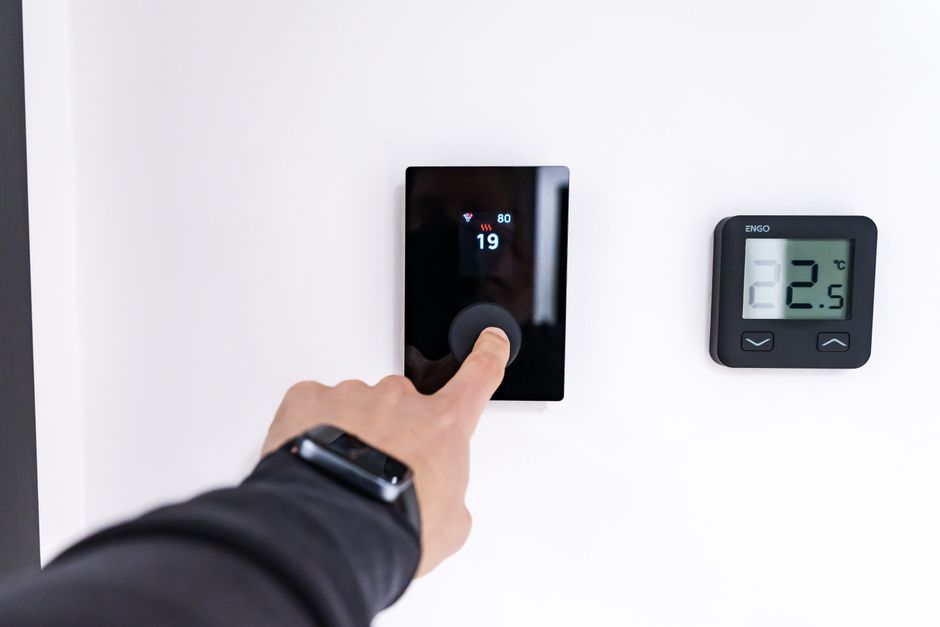
In the pursuit of energy-efficient homes, smart thermostats have emerged as a significant technological advancement. These devices go beyond simple temperature control, offering the ability to learn household routines and automatically adjust heating and cooling to optimise energy usage. For homeowners in the United Kingdom, where energy costs and environmental concerns are ever-present, understanding the role of these intelligent systems is increasingly relevant.
This article explores the mechanisms behind smart thermostats, their integration with broader home automation systems, and the practical considerations for their adoption. By examining how they operate, the potential benefits they offer, and the factors that influence their effectiveness, the aim is to provide a comprehensive overview that helps readers form informed perspectives.
How Smart Thermostats Learn and Adapt
At the core of a smart thermostat is its ability to learn from user behaviour and environmental conditions. Unlike manual or programmable thermostats, which require explicit schedules and settings, smart thermostats employ algorithms to analyse patterns over time. They track when the home is occupied, when it is empty, and how quickly the indoor temperature responds to changes. This data allows the device to create a heating and cooling profile that aligns with the household’s lifestyle.
The learning process typically involves multiple sensors and connectivity features. Many smart thermostats are equipped with occupancy sensors, which detect presence in different rooms. Some models also use geofencing technology, which utilises the smartphone’s location to determine whether the homeowner is approaching or leaving. This integration enables the thermostat to adjust the temperature pre-emptively, ensuring comfort upon arrival while reducing energy waste during absence.
Over time, the thermostat refines its schedule based on real-world feedback. For instance, if a user manually adjusts the temperature frequently, the device takes note and gradually incorporates those preferences into its automatic routines. The result is a dynamic system that responds to both daily patterns and unexpected changes, such as holidays or weather variations.
It is important to note that the learning capability varies among models and brands. Some thermostats offer extensive customisation, while others focus on a more hands-off approach. The effectiveness of learning also depends on the consistency of household routines and the number of occupants. Therefore, the actual performance can differ across households.
Integration with Building Automation
The role of smart thermostats extends beyond standalone operation. They are often a key component of larger building automation systems, which aim to harmonise various energy-consuming devices within a home. Through protocols such as Zigbee, Z-Wave, or Wi-Fi, smart thermostats can communicate with other smart devices, including lighting systems, window shutters, and ventilation units.
This interconnectedness allows for more comprehensive energy management. For example, if the thermostat detects that a room is unoccupied, it can signal to the smart lighting to turn off, or to the automated blinds to close, thereby reducing solar heat gain in the summer or heat loss in the winter. Such coordination not only enhances comfort but also contributes to overall energy efficiency.
Furthermore, smart thermostats can be integrated with home energy management systems (HEMS) that provide real-time energy usage data. By monitoring consumption patterns, homeowners can gain insights into which activities or devices consume the most energy, enabling them to make informed adjustments. Some systems even allow for demand response programmes, where the thermostat automatically adjusts settings during peak periods to help balance the grid.
However, the extent of integration depends on the compatibility of devices and the user’s technical proficiency. While many systems are designed to be user-friendly, setting up a fully integrated smart home may require professional assistance or significant configuration effort. Therefore, homeowners should consider the complexity involved when planning such implementations.
Potential Energy Savings and Comfort Considerations
One of the primary motivations for adopting a smart thermostat is the potential to reduce energy consumption and lower utility bills. However, it is crucial to approach these claims with nuance. While smart thermostats can optimise heating schedules and reduce unnecessary usage, the actual savings depend on a variety of factors, including the home’s insulation, climate, and the existing heating system’s efficiency.
In many cases, smart thermostats can help avoid energy waste by ensuring that heating is not running when the home is empty or during the night. For example, if a household typically leaves for work at 8 a.m., the thermostat can lower the temperature during the day and raise it shortly before the occupants return. This scheduling can lead to meaningful reductions in energy consumption over time.
Comfort is another consideration. Smart thermostats aim to maintain a consistent and comfortable indoor environment by adjusting temperatures gradually, rather than swinging between extremes. This can improve thermal comfort and reduce the likelihood of cold or hot spots. However, the perceived comfort also depends on individual preferences and the quality of the heating system.
It is important to highlight that energy savings are not automatic. The thermostat’s learning algorithms need time to adapt, and user intervention may occasionally be necessary. Moreover, factors such as manual overrides or changes in occupancy patterns can affect the accuracy of the thermostat’s predictions. Thus, while smart thermostats offer the potential for savings, the outcome is not guaranteed and can vary significantly.
User Experience and Practical Adoption
The success of smart thermostats in contributing to energy efficiency is not solely determined by their technical features; the user experience plays a vital role. A thermostat that is difficult to operate or understand may be abandoned or used ineffectively, negating any potential benefits. Therefore, manufacturers focus on designing intuitive interfaces, often via touchscreens, smartphone apps, and voice control integration.
For many users, the ability to control the thermostat remotely is a significant advantage. This allows them to adjust the temperature while away, ensuring comfort on arrival or making changes in response to unexpected events. The data visualisation provided by the accompanying apps also helps users monitor their usage and understand their consumption patterns.
Initial setup and configuration are crucial steps. Most smart thermostats guide users through a setup process that involves connecting to the home’s Wi-Fi network and answering questions about the heating system and household schedules. Some models offer a self-installation option, but for more complex heating systems, professional installation might be recommended to ensure correct wiring and compatibility.
Another aspect to consider is privacy and data security. Smart thermostats collect data on occupancy and temperature, which may be stored on cloud servers. Users should be aware of the data handling policies of the manufacturer and take appropriate measures, such as using secure networks and updating firmware, to protect their information.
Given these factors, the decision to adopt a smart thermostat should be based on an individual assessment of needs, technical readiness, and willingness to adapt to new technology. While they can be a valuable component of an energy-efficient home, they are not a one-size-fits-all solution.
Environmental Impact and Broader Implications
Beyond individual benefits, smart thermostats contribute to broader environmental goals by reducing greenhouse gas emissions associated with energy production. In the United Kingdom, where heating accounts for a significant portion of residential energy consumption, improving efficiency in this area can have notable effects on carbon footprints.
By optimising heating schedules and reducing unnecessary consumption, smart thermostats support the transition towards more sustainable living practices. They also align with the increasing prevalence of renewable energy sources, as smart systems can be programmed to operate during periods when renewable generation is abundant, further reducing reliance on fossil fuels.
However, the environmental impact of manufacturing and disposing of electronic devices should not be overlooked. The production of smart thermostats involves resource extraction and energy consumption, and their eventual disposal can contribute to electronic waste. Therefore, longevity and repairability are important considerations for consumers who are environmentally conscious.
In conclusion, smart thermostats have a significant role to play in energy-efficient homes, but they are not a panacea. Their effectiveness depends on a combination of technological features, user engagement, and contextual factors. While they can optimise energy usage and enhance comfort, the overall benefits are conditional and vary from household to household.
As with any technological investment, it is advisable to research specific models, consider professional advice, and assess personal circumstances. By doing so, homeowners can make informed decisions that align with their energy goals and preferences.