Smart Lighting Systems That Enhance Comfort and Mood
Smart lighting systems have become an integral part of modern interior design, offering a level of control over light that was previously unimaginable. By allowing users to adjust brightness and color temperature to match specific activities or times of day, these systems contribute to both physical comfort and emotional well-being. For homeowners in the United Kingdom, where natural light varies significantly across seasons, the ability to simulate daylight and create tailored ambiance holds particular appeal.
This article explores the ways in which smart lighting can enhance comfort and mood within living spaces. It examines the technological principles behind these systems, their potential impact on daily routines, and considerations for integrating them into an existing home environment. The focus is on providing an informative overview that helps readers understand the possibilities and practical aspects of incorporating smart lighting into their lives.
Understanding Smart Lighting Technology
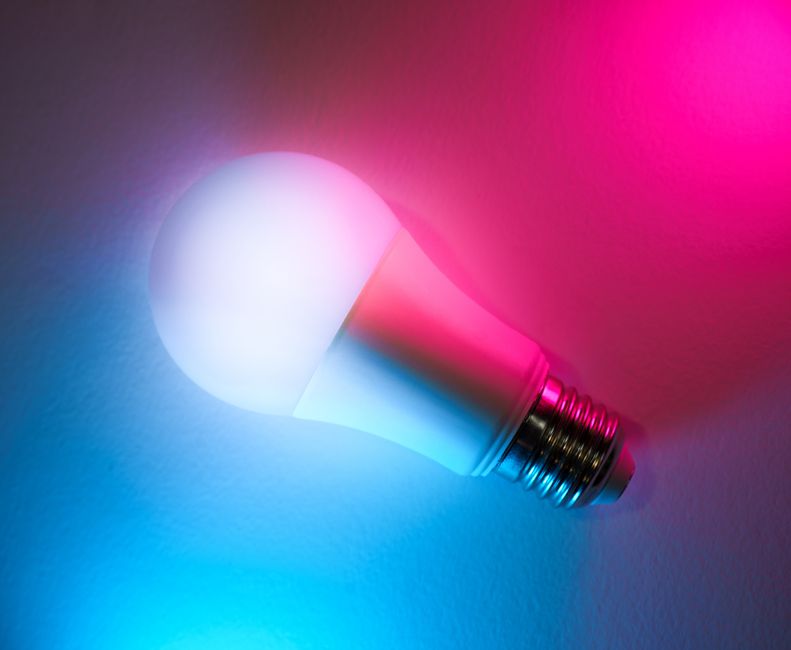
At its core, smart lighting refers to lighting fixtures that can be controlled remotely or automatically, often through a smartphone app or voice commands. These systems typically use LED bulbs that can change color and brightness, paired with wireless communication protocols such as Wi-Fi, Zigbee, or Bluetooth. The central component is a hub or bridge that connects the lights to the home network and allows for scheduling, automation, and integration with other smart devices.
One of the key features of smart lighting is the ability to set scenes. Scenes are pre-configured light settings that can be activated with a single command. For instance, a ‘Read’ scene might use a bright, cool white light focused on a reading chair, while a ‘Relax’ scene could employ a warm, dim glow. This flexibility enables users to adapt the lighting to their immediate needs without making fine-tuned manual adjustments each time.
Beyond manual control, smart lighting systems can incorporate sensors that respond to environmental factors. Motion sensors can automatically turn lights on when someone enters a room, while ambient light sensors can adjust output based on natural daylight levels. These features enhance convenience and can contribute to energy efficiency by ensuring lights are only used when needed.
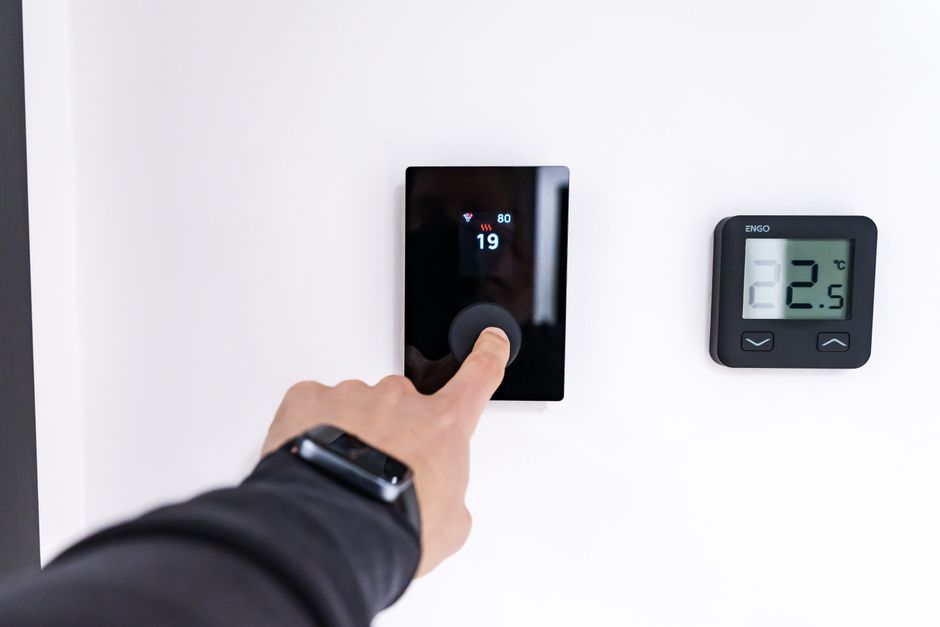
Another important aspect is the integration with other smart home devices. Smart lighting can work in conjunction with thermostats, entertainment systems, and security systems to create holistic responses to different situations. For example, a ‘Movie Night’ scene might dim the lights and close the curtains in sync with the start of a film. This interconnectedness allows for a more immersive and comfortable living experience.
The technology behind smart lighting continues to evolve, with advancements in LED efficiency, wireless connectivity, and artificial intelligence. Modern systems can learn from user behavior and automatically adjust lighting patterns to align with daily routines. For example, the system might gradually brighten the bedroom lights in the morning to simulate a natural sunrise, promoting a more gentle awakening. Such adaptive capabilities demonstrate the potential of smart lighting to support well-being.
Enhancing Comfort Through Lighting Control
Comfort in a living space is influenced by many factors, and lighting plays a crucial role. Smart lighting allows for precise adjustments that can reduce eye strain, prevent headaches, and create a sense of physical well-being. One way this is achieved is through tunable white light, which lets users change the color temperature from warm yellowish to cool bluish tones. This is particularly beneficial for tasks that require visual concentration, as certain color temperatures are known to improve focus and reduce fatigue.
Moreover, the ability to dim lights gradually can help ease the transition between different activities. For instance, switching from bright work lights to a softer evening glow can signal to the body that it is time to unwind, potentially improving sleep quality. In the context of the UK, where winter days are short and grey, access to bright, energizing light during the day can mitigate feelings of lethargy and seasonal affective tendencies.
Smart lighting can also be programmed to follow circadian rhythms, which are the natural cycles of sleep and wakefulness. By adjusting light intensity and color throughout the day, the system can support the body’s internal clock. For example, exposing oneself to bright, blue-rich light in the morning helps to alertness, whereas dimming warm light in the evening promotes relaxation. This alignment with natural rhythms can contribute to overall comfort and health.
Furthermore, the convenience of controlling lighting from a handheld device or voice assistant eliminates the need to physically interact with switches, which is especially useful for individuals with limited mobility or when hands are full. This aspect of comfort extends beyond physical ease to include psychological reassurance, as users can check on and adjust lighting remotely, enhancing security and peace of mind.
In addition to these benefits, smart lighting can reduce the annoyance of constantly adjusting light levels as daylight changes. Through the use of sensors and automation, the system can maintain a consistent level of illumination in a room regardless of outdoor conditions. This stability can be significant in spaces such as home offices, where a steady lighting environment is conducive to productivity and comfort.
Influencing Mood and Atmosphere
Light has a profound effect on human mood and emotions. The ability to create different atmospheres through lighting can transform a room’s ambiance and influence how we feel within it. Smart lighting provides an accessible way to design these atmospheres with precision. For example, a warm, dim light can evoke feelings of intimacy and calm, while a cool, bright light might promote alertness and energy. By tailoring lighting to suit the moment, individuals can actively shape their emotional state.
Color plays a central role in mood enhancement. Many smart lighting systems offer a wide spectrum of colors, allowing users to introduce hues that align with their preferences or desired feelings. For instance, softer pastels might be used during a meditation session, while vibrant colors could be incorporated into a party setting. Research in color psychology suggests that certain colors can stimulate particular responses, and smart lighting enables practical experimentation with these effects.
Another aspect of mood influence is the ability to create dynamic lighting scenes that change over time. Unlike static lighting, dynamic scenes can subtly shift colors or brightness, which can be both engaging and soothing. For example, a gradual transition from cool to warm light as the evening progresses can help signal the body to wind down. Such changes can also add an artistic element to a room’s décor, enhancing its aesthetic appeal.
Moreover, the personalization of lighting can make a space feel more like a sanctuary. In a world where many aspects of life are out of control, the ability to dictate the lighting environment can provide a sense of agency and comfort. This psychological benefit should not be underestimated, particularly in times of stress or uncertainty. The simple act of choosing a lighting scene can be a mindful activity that helps individuals focus on the present moment.
It is important to note that individual responses to light vary, and what works for one person may not work for another. Smart lighting allows for a high degree of customization, meaning that each user can find the settings that best suit their preferences. This flexibility is a significant advantage over conventional lighting, which offers limited control over intensity and color.
Energy Efficiency and Cost Considerations
Beyond comfort and mood, smart lighting can also support energy savings. By optimizing light usage through automation and scheduling, these systems can reduce unnecessary consumption. For instance, motion sensors can ensure that lights are not left on in empty rooms, while smart scheduling can dim or turn off lights during times when they are not required. This can lead to lower electricity bills and a reduced environmental footprint.
One of the ways smart lighting achieves this is through the use of LED technology, which is inherently more energy-efficient than traditional incandescent bulbs. When coupled with intelligent controls, the savings can be even more significant. Additionally, some systems provide energy monitoring features that allow users to track their lighting energy consumption, offering insights that may inform more energy-conscious habits.
Moreover, the ability to adjust brightness to the minimum level needed for a task can decrease energy use while still providing adequate illumination. For example, during a sunny afternoon, a smart system might dim artificial lights in response to abundant natural light, maintaining a comfortable level without wasteful full output. This adaptive behavior not only saves energy but also extends the lifespan of the bulbs, reducing replacement costs.
For households in the UK, where energy costs are a growing concern, the potential savings from smart lighting can be appealing. However, it is essential to consider the initial investment in smart bulbs, hubs, and possibly professional installation. The payback period depends on usage patterns and energy prices, and while the long-term benefits can be substantial, each situation should be assessed individually.
It is also worth noting that energy efficiency is not solely about cost—it contributes to environmental sustainability. Reducing energy consumption is a step toward mitigating climate change, and smart lighting offers an accessible means for individuals to participate in this effort. As such, the adoption of smart lighting can be seen as part of a broader commitment to responsible living.
Integration with Interior Design
Smart lighting is not only functional but also an aesthetic tool that can enhance interior design. With the ability to control color and intensity, lighting can be used to highlight architectural features, artwork, or furniture, creating visual interest and depth. The flexibility to change scenes means that a room can be transformed for different occasions or moods without the need for physical alterations.
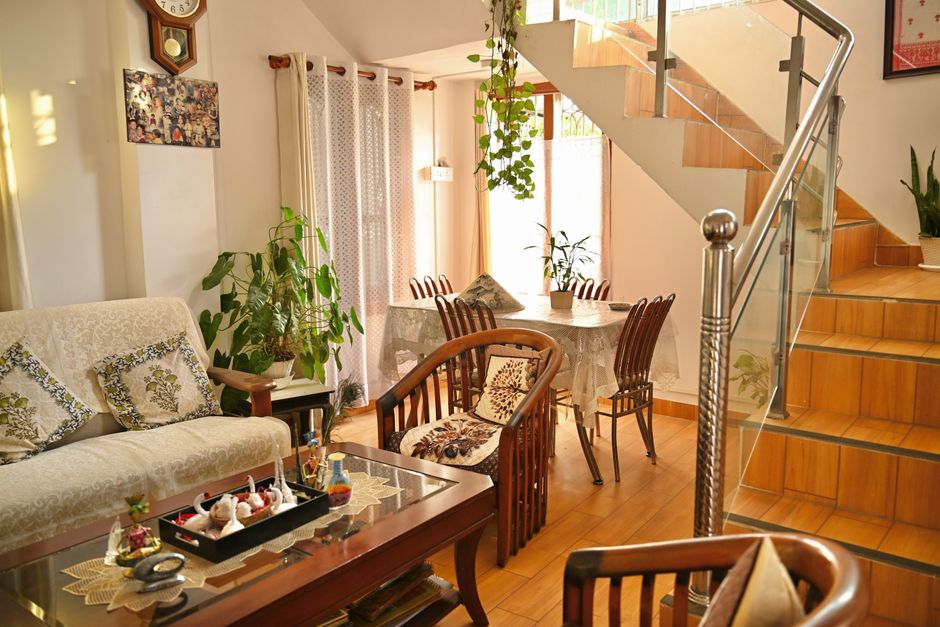
When integrating smart lighting into a home, it is important to consider the existing design scheme. The placement of fixtures, the color temperature of the light, and the overall ambiance should complement the décor. For instance, a modern minimalist space might benefit from sleek, recessed lighting with a cool white tone, while a traditional room could be enhanced by warmer, softer lighting from decorative lamps.
What makes smart lighting particularly appealing is its ability to bridge the gap between functionality and aesthetics. Scenes can be designed to showcase specific design elements, such as a cove light that washes the wall in a subtle glow or a spotlight that draws attention to a piece of art. This level of control allows homeowners to curate their environment with intention.
In the context of a professional interior design project, firms like Haven Interiors might incorporate smart lighting to offer clients a dynamic and adaptable living space. By partnering with experts, homeowners can ensure that the smart lighting system is seamlessly integrated with other design choices, maximizing both visual appeal and practical benefit.
Furthermore, the installation of smart lighting can be phased, allowing gradual adoption over time. Starting with a single room, such as the living room or bedroom, can be a low-risk introduction to the technology. As familiarity grows, additional rooms can be included, creating a cohesive and interconnected lighting ecosystem.
When planning the integration, it is advisable to work with a professional who can assess wiring, compatibility, and control options. They can also provide guidance on choosing the right types of fixtures and bulbs for specific spaces. This approach can help avoid common pitfalls and ensure that the system functions reliably and conveniently.
Practical Considerations for Adoption
Before adopting smart lighting, there are several practical factors to consider. One is the compatibility of existing fixtures and bulbs with smart technology. In many cases, smart bulbs can be used in standard sockets, but it is essential to check the base type and wattage. Additionally, if the home is rented, reverting to traditional lighting may be necessary at the end of the lease, so portability is a consideration.
Another factor is the choice of control method. Some people prefer smartphone apps, while others may favor physical switches or voice assistants. Many systems offer multiple options, but it is wise to select a platform that is intuitive and suits the household’s preferences. Integration with other smart devices is also a point to think about, as interoperability between different brands can affect the overall user experience.
Security and privacy are additional aspects to keep in mind. Smart lighting systems are connected to the home network, and like any Internet of Things (IoT) device, they should be protected with strong passwords and regular firmware updates. Being mindful of what data is collected and how it is used by manufacturers can help mitigate privacy concerns.
Technical reliability is another consideration. Wi-Fi connectivity can be affected by interference or outages, and some users may experience occasional syncing issues. Having a backup manual control method, such as physical wall switches, can be beneficial in case of system failures. Similarly, considering a backup hub or power supply might be prudent for extended outages.
Finally, the cost of smart lighting can be a barrier for some. While prices have decreased over recent years, the total investment for a whole-home system may still be significant. Budgeting for the initial purchase, installation, and potential subscription fees for advanced features is important. Comparing different products and reading user reviews can help in making an informed decision that balances cost and functionality.
In summary, smart lighting systems offer a range of benefits that can enhance comfort, mood, and energy efficiency in a home. The technology is mature and accessible, and with careful planning, it can be a valuable addition to any living space. For those considering this home improvement, the insights provided here serve as a starting point for exploring the possibilities.
In the end, the value of smart lighting lies in its capacity to adapt to human needs, creating environments that are not only pleasant but also supportive of well-being.
The adoption of smart lighting is a personal choice that depends on individual preferences, lifestyle, and budget. By understanding the technology and its implications, homeowners can make decisions that align with their goals for comfort and ambiance. As the field continues to evolve, the potential for smart lighting to contribute to daily life is likely to expand even further.