Biophilic Design: Bringing Nature into Modern Interiors
Biophilic design has become a notable approach in modern interior design, focusing on the incorporation of natural elements to create spaces that feel more connected to the outdoors. The term ‘biophilia’ refers to the innate human tendency to seek connections with nature, and biophilic design translates this into the built environment. This article examines the principles of biophilic design, the practical ways it can be implemented, and the considerations surrounding its effects on occupants. The discussion is geared toward those interested in interior design, architecture, or wellness, with a focus on the United Kingdom’s context.
The growing interest in biophilic design is driven by a broader awareness of environmental sustainability and personal well-being. By integrating natural materials, light, and greenery, biophilic design aims to create interiors that are not only aesthetically pleasing but also supportive of mental and physical health. This article will explore the foundational concepts, the available methods for application, and the research that informs the design choices. It is important to note that while some studies suggest potential benefits, outcomes can vary based on individual circumstances and the specific design implementation.
The Principles of Biophilic Design
Biophilic design is based on several core principles that guide how natural elements are integrated into spaces. One principle is the direct experience of nature, which includes elements such as presence of plants, natural light, and water features. Another principle involves indirect experience, such as using natural materials, colors, and patterns that evoke nature. Additionally, biophilic design considers spatial configurations that mimic natural settings, such as creating refuges or using fluid forms. The key is to create a multi-sensory experience that engages sight, sound, touch, and even smell.
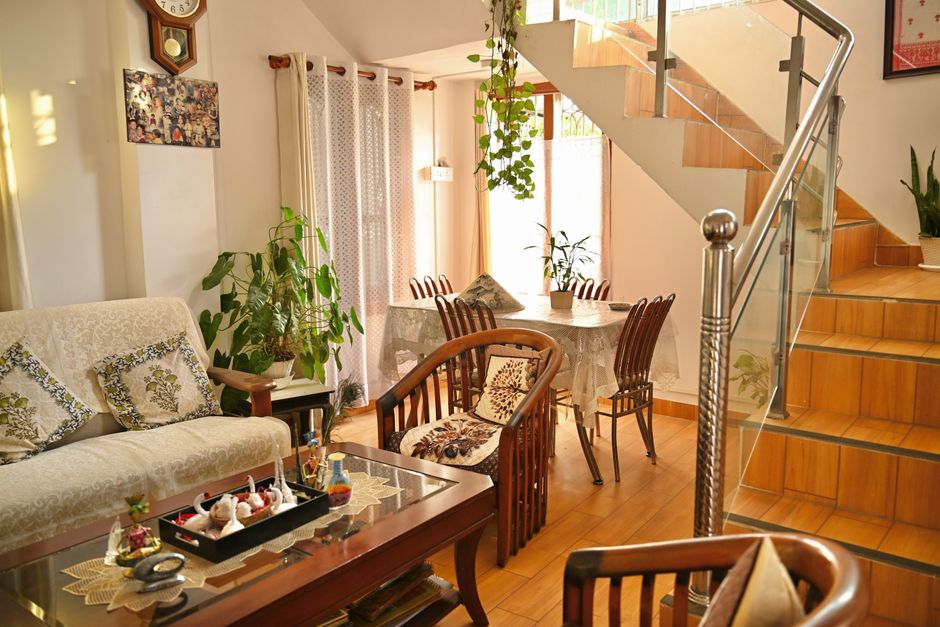
In practice, these principles are applied with careful consideration of the building’s location, orientation, and the needs of its occupants. For instance, designing for natural daylight may involve optimizing window placement and using glass partitions. The use of wood, stone, and other organic materials can bring texture and warmth. Plants can be used to purify air and introduce greenery, while also providing visual interest. Water features can add a calming auditory element. These elements are not merely decorative but are intended to contribute to a sense of well-being. In the United Kingdom, where access to nature can be limited in urban areas, biophilic design offers a way to bring natural elements indoors, potentially supporting a stronger connection to the environment.
Implementation: Incorporating Plants, Wood, and Light
Incorporating plants is one of the most straightforward ways to implement biophilic design. Depending on the space, one might choose low-maintenance houseplants, vertical gardens, or even indoor trees. The choice of plants often depends on light availability and the willingness to care for them. Beyond their visual appeal, plants can contribute to air quality, though the extent of that effect is subject to ongoing research. For interiors, certain plants like ferns, spider plants, and peace lilies are common choices due to their adaptability.
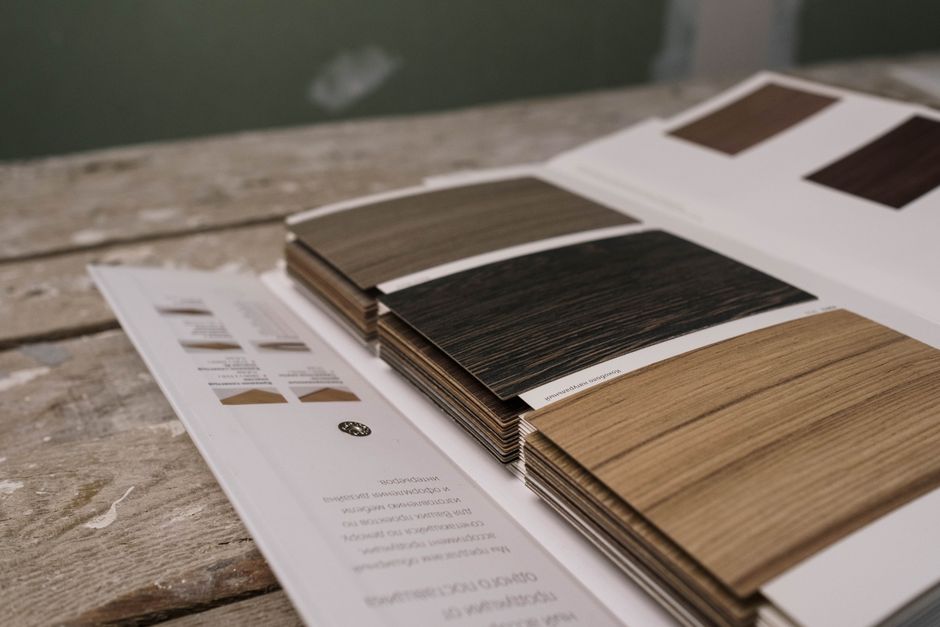
Wood is another prominent element, used in flooring, furniture, and decorative accents. The use of wood can bring warmth and a tactile connection to nature. In the UK, sustainable sourcing is increasingly important, so specifying timber from certified sources is a consideration. Additionally, natural light is a crucial component. Maximizing daylight can reduce the reliance on artificial lighting, which may have benefits for circadian rhythms. This involves not only the placement of windows but also the use of sheer curtains and reflective surfaces to distribute light. Integrating these elements requires thoughtful planning to ensure they complement each other rather than cluttering the space.
Biophilic design is not about simply placing a few plants in a room; it is about creating an environment that resonates with the natural world, fostering a sense of connection and well-being.
Potential Benefits: Mental Health and Productivity
When discussing biophilic design, much attention is given to its potential effects on mental health and productivity. Some research suggests that exposure to natural elements can contribute to feelings of calm and reduced stress, but these outcomes are not guaranteed. The relationship between biophilic elements and well-being is complex, influenced by factors such as the quality of the design, the individual’s preferences, and the surrounding environment.
In the context of productivity, some studies have indicated that the presence of plants or natural light may be associated with improved focus and performance, but again, results are not uniform. It is reasonable to consider biophilic design as one factor among many that can shape a work or living environment. For example, in an office, incorporating plants and natural light might support a more pleasant atmosphere, but other factors like ergonomics and task complexity also play significant roles. The effects are often contextual, and individuals may respond differently.
From a design perspective, focusing on biophilic principles can lead to interiors that are more comfortable and visually appealing, which may indirectly support well-being. However, it is important to avoid overstating the benefits. Biophilic design should be seen as part of a holistic approach to creating healthy spaces, rather than a standalone solution.
Considerations for Modern Interiors in the UK
Implementing biophilic design in the UK presents specific considerations related to climate, culture, and building regulations. The UK’s climate can be variable with limited sunshine, so optimising natural light is particularly important. However, excessive heat or glare may also need addressing. The choice of materials should consider durability and suitability for humid conditions. In terms of culture, there is a growing appreciation for natural aesthetics, but there may be concerns about maintenance and cost. These are valid points that designers need to address.
For modern interiors, particularly in urban areas, space can be limited. Vertical gardens or wall-mounted planters can help maximise space. Building regulations may also influence the use of glass or structural changes. Working with professionals can help navigate these complexities. At Haven Interiors, we have seen that thoughtful integration of biophilic elements can transform a space, making it feel more inviting and connected to the outdoors. However, each project is unique, and the approach should be tailored to the specific environment and the users’ needs.
Practical Applications and Future Perspectives
Looking forward, biophilic design is likely to evolve with new materials and technologies. Innovations in sustainable materials, such as reclaimed wood and bio-based composites, offer more options. Smart systems can help monitor and adjust natural light and ventilation. In the UK, there is also interest in biophilic urbanism, which integrates nature into the broader cityscape. The principles of biophilic design can be applied not only in homes but also in offices, educational institutions, and healthcare facilities. The focus remains on creating environments that support human health and well-being.
When considering adopting biophilic design, a strategic approach is recommended. Begin with a thorough assessment of the existing space, considering its orientation, structural constraints, and the occupants’ needs. Then, identify which biophilic elements will have the most significant impact without causing disruption. It is often practical to start small, such as adding plants and adjusting window treatments, and then expand as needed. Engaging professionals can help ensure that the implementation is coherent and effective.
In conclusion, biophilic design offers a thoughtful means of bringing nature into modern interiors. By incorporating plants, natural materials, and light, it is possible to create spaces that feel more aligned with the natural world. While the benefits for mental health and productivity are promising, they are not absolute and depend on various factors. Ultimately, the goal is to enhance the quality of indoor environments, fostering a sense of connection and well-being.